Design Evolution of Eames Barcelona Chair
The Eames Barcelona Chair design evolution represents one of the most fascinating journeys in modern furniture history. From its early conceptual roots to its current status as a global design icon, the chair reflects changing ideas about comfort, materials, craftsmanship, and modern living.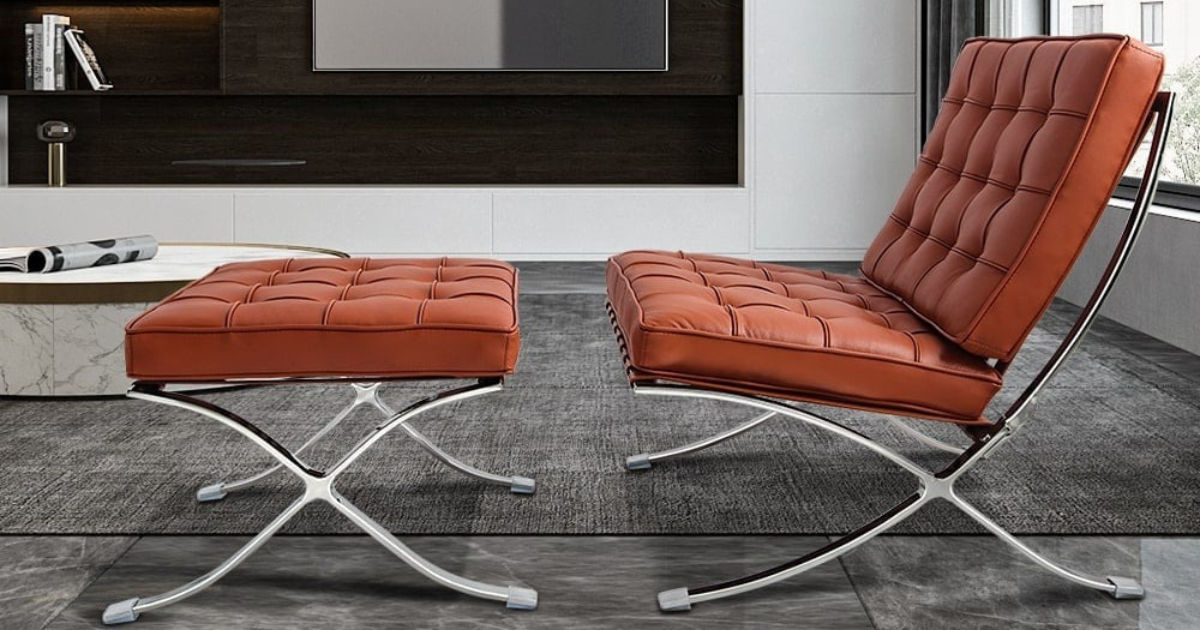 For students, designers, and design lovers alike, understanding this evolution helps explain why the chair still feels relevant decades after its creation.
This comprehensive guide explores the historical background, creative influences, material changes, structural refinements, and cultural impact that shaped the Eames Barcelona Chair design evolution. Written in simple language and short paragraphs, this article is easy to follow while still offering deep insight into how great design grows over time.
Origins of Modern Seating Design
The Design Climate of the Early 20th Century
The early 1900s were a time of rapid change. Architecture and furniture were moving away from heavy decoration. Designers wanted clean lines, function, and honesty in materials.
This shift created the foundation for modern furniture. Designers believed furniture should serve people’s real needs. Comfort, simplicity, and efficiency became key ideas.
The Eames Barcelona Chair design evolution grew from this modern mindset. It was not just about looks. It was about how people sit, relax, and live.
Influence of the Modernist Movement
Modernism focused on simplicity and structure. Designers rejected unnecessary decoration. Every line and curve needed a purpose.
Furniture became lighter in appearance. Materials like steel and leather replaced carved wood and fabric patterns.
The design language that later shaped the Eames Barcelona Chair design evolution was born during this period. It valued balance, proportion, and clarity.
Early Conceptual Influences
Inspiration from Classical Forms
Even modern designs often look to the past. Early chair concepts were inspired by ancient stools and ceremonial seats.
The idea of a folding frame, crossed supports, and elevated seating dates back centuries. These ideas were reimagined in a modern way.
The Eames Barcelona Chair design evolution blends classical dignity with modern simplicity. This mix gives the chair a timeless feel.
Focus on Human Comfort
Comfort became central to furniture design. Designers studied how the body rests and moves.
Instead of stiff seating, chairs were shaped to support the back and legs naturally. Cushioning and angles were carefully tested.
This attention to comfort played a major role in the Eames Barcelona Chair design evolution, making it both elegant and usable.
Material Innovation Over Time
Early Use of Metal Frames
Metal allowed designers to create thinner and stronger structures. Steel frames made chairs look lighter while staying durable.
Early versions used industrial steel. The finish was often polished to reflect light and emphasize form.
The Eames Barcelona Chair design evolution shows how metal moved from purely functional to beautifully refined.
Development of Leather Upholstery
Leather added warmth and luxury. It balanced the cool look of metal with softness and comfort.
Over time, leather quality improved. Designers experimented with stitching, padding, and panel layouts.
As a result, the Eames Barcelona Chair design evolution reflects a growing respect for craftsmanship and tactile experience.
Structural Refinement Through the Years
Improving Frame Geometry
Early frames were strong but sometimes stiff. Designers refined angles to improve balance and comfort.
The X-shaped base became more fluid. Welds were hidden. Joints became smoother and more precise.
These changes mark important stages in the Eames Barcelona Chair design evolution, showing how small adjustments can make a big difference.
Weight Distribution and Stability
A good chair must feel stable. Designers studied how weight moves when a person sits and stands.
The frame was adjusted to evenly distribute pressure. This improved durability and user confidence.
Such refinements helped the Eames Barcelona Chair design evolution reach a high level of functional excellence.
Cushion Design and Ergonomic Changes
Early Cushion Construction
Early cushions were simple. They focused on softness rather than long-term support.
Over time, designers realized that cushions needed structure. Layers of padding were introduced for better comfort.
This shift is a key part of the Eames Barcelona Chair design evolution, blending comfort with lasting quality.
Evolution of Button Tufting
Button tufting helped keep cushions in place. It also added a visual rhythm to the chair.
The spacing and depth of buttons were refined over time. This improved both appearance and durability.
The tufting pattern became a signature element in the Eames Barcelona Chair design evolution.
Craftsmanship and Production Methods
Handcrafted Beginnings
Early chairs were made largely by hand. Skilled craftsmen shaped metal, cut leather, and assembled parts carefully.
This process took time but allowed for high quality. Each chair had subtle differences.
The handcrafted stage is an important chapter in the Eames Barcelona Chair design evolution.
Transition to Controlled Manufacturing
As demand grew, production methods evolved. Machines helped improve consistency without losing quality.
Precision tools ensured uniform stitching and accurate frame shapes.
This balance between handwork and technology defines the mature phase of the Eames Barcelona Chair design evolution.
Aesthetic Refinement Across Decades
Simplifying Visual Elements
Over time, unnecessary details were removed. The design became cleaner and more confident.
The frame lines grew smoother. The cushions looked more balanced and proportional.
This visual clarity is a hallmark of the Eames Barcelona Chair design evolution.
Color and Finish Developments
Originally, color options were limited. Later, designers introduced new leather shades and finishes.
Despite these changes, the chair kept its core identity.
The controlled use of color reflects the thoughtful nature of the Eames Barcelona Chair design evolution.
Cultural and Social Impact
Symbol of Modern Living
The chair became associated with modern homes, offices, and cultural spaces.
It represented progress, taste, and an appreciation for design.
This cultural role strengthened the importance of the Eames Barcelona Chair design evolution.
Presence in Media and Architecture
The chair appeared in films, magazines, and public buildings.
Its repeated appearance reinforced its iconic status.
Cultural exposure played a major role in shaping the ongoing Eames Barcelona Chair design evolution.
Sustainability and Ethical Design Shifts
Responsible Material Sourcing
Modern production emphasizes sustainability. Leather and metal are sourced more responsibly.
Waste reduction and durability became priorities.
These concerns are now part of the Eames Barcelona Chair design evolution, reflecting modern values.
Longevity as Sustainable Design
A chair that lasts decades reduces waste. Durability itself is a form of sustainability.
The long lifespan of the chair supports the philosophy behind the Eames Barcelona Chair design evolution.
Adaptation to Contemporary Interiors
Compatibility with Modern Spaces
Today’s interiors vary widely. The chair adapts well to minimalist, industrial, and even classic spaces.
Its neutral form allows flexibility.
This adaptability proves the success of the Eames Barcelona Chair design evolution.
Continued Relevance for New Generations
Younger audiences appreciate the chair for its history and style.
It serves as both furniture and conversation piece.
This ongoing appeal shows that the Eames Barcelona Chair design evolution is not finished—it continues.
Educational Value in Design Studies
Learning from Design Evolution
Students can learn how ideas improve over time.
The chair shows how testing, feedback, and refinement work together.
That makes the Eames Barcelona Chair design evolution a valuable teaching example.
Importance of Iteration
Great design rarely happens once. It evolves.
Each version improves on the last.
This lesson is clearly demonstrated through the Eames Barcelona Chair design evolution.
Conclusion
The Eames Barcelona Chair design evolution is a powerful story of how thoughtful design grows with time. It began with modern ideals of simplicity and function. Over the years, it absorbed lessons about comfort, materials, craftsmanship, and culture.
Each stage of its evolution reflects changing needs and improved understanding. From early metal frames to refined cushions and responsible production, the chair shows how design can remain timeless while still evolving.
For a 12th-grade audience, this journey teaches an important lesson. Great design is not static. It listens, adapts, and improves. The lasting success of the chair proves that when form, function, and human needs align, design can transcend generations.
The Eames Barcelona Chair design evolution continues to inspire designers, students, and everyday users. It stands as a reminder that true design excellence is built step by step, guided by purpose, care, and vision


Post Comment